Do You Need Radar on a Small Boat?

Short answer: no, most small-boat owners do not strictly need radar, but a growing number of them would be genuinely safer with it, and the price of entry has dropped far enough that the old “big boats only” logic no longer holds. If you run only in clear daylight, within sight of the ramp, and you turn back the moment the sky looks wrong, you can skip it. If you ever leave the dock before dawn, run home after sunset, or fish water that fogs in without warning, that little dome starts earning its keep fast.
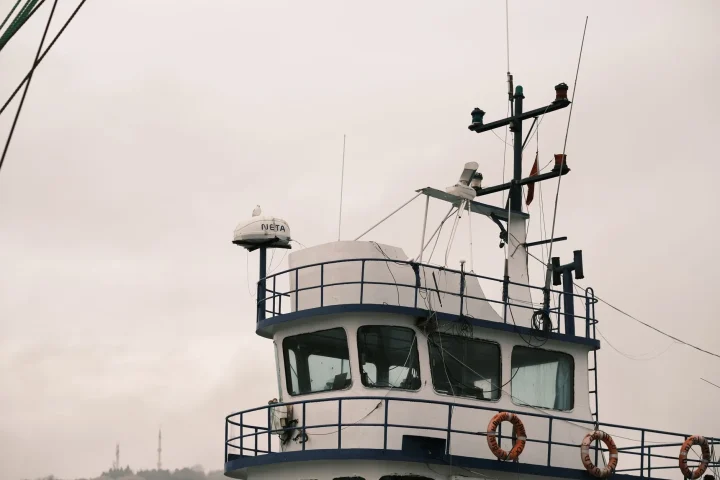
Radar is a black box that sends out radio pulses and listens for the echoes bouncing off other boats, buoys, land, and rain, then paints them as blips on your screen. It sees in the dark and through fog, which your eyes and even a good chartplotter cannot do. That single ability, spotting a hard object you cannot see with your own eyes, is the whole reason to consider it on a radar small boat setup, and it is why I keep steering nervous coastal owners toward it even on 18-footers.
When a small boat actually needs radar
The honest test is not boat length, it is when and where you run. A 16-foot skiff that fogs in on a tidal bay needs radar more than a 30-foot cruiser that only goes out on bluebird afternoons.
Fog is the classic case. On the Northeast coast, in the Pacific Northwest, and around the Great Lakes, a clear morning can close down to 50 yards of visibility in fifteen minutes, and suddenly you are steering by faith with a ferry somewhere off your bow.
Night running is the other one. If you leave the ramp at 4 a.m. to reach the fishing grounds by first light, or you get caught out late, radar shows you the crab-pot cluster, the anchored boat with a dead light, and the shoreline you are drifting toward.
A boat I rewired last spring, a 19-foot center console on the Maine coast, had a chartplotter and a nice sonar but no radar. The owner had already had two genuinely frightening fog-outs the season before, feeling his way home on GPS alone while listening for engines. We fitted a compact dome, and after his first foggy trip with it he told me he would have paid triple. That is the profile of a boat that needs radar.
When you can safely skip it
Plenty of small boats have no business spending money on radar, and I will say so to a customer’s face. If your whole season is daytime, fair-weather, close-to-shore running on a lake or a protected bay, radar solves a problem you do not have.
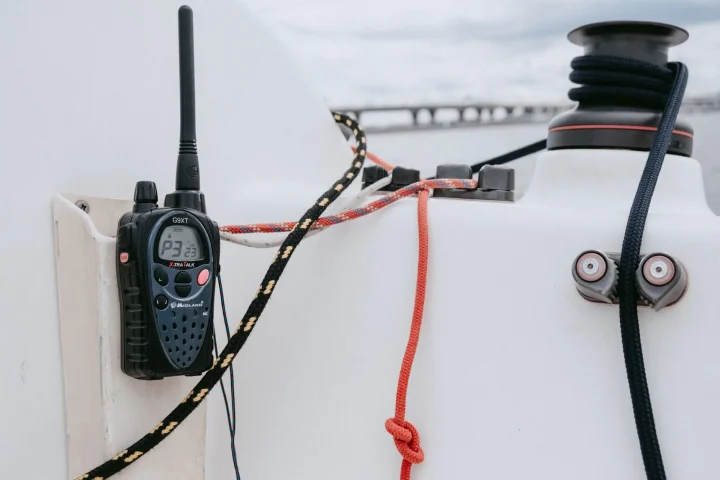
In that case your safety dollars go further elsewhere. A properly installed VHF, covered in Installing a Marine VHF Radio, does more for your survival odds than radar ever will, because it calls for help. A reliable chartplotter keeps you off the rocks in daylight.
What radar costs to buy and install
This is where the math has changed. Ten years ago a small-boat radar was a $3,000-plus proposition once you added the mast and the display. Today a compact dome that talks to a chartplotter you may already own is far more reachable.
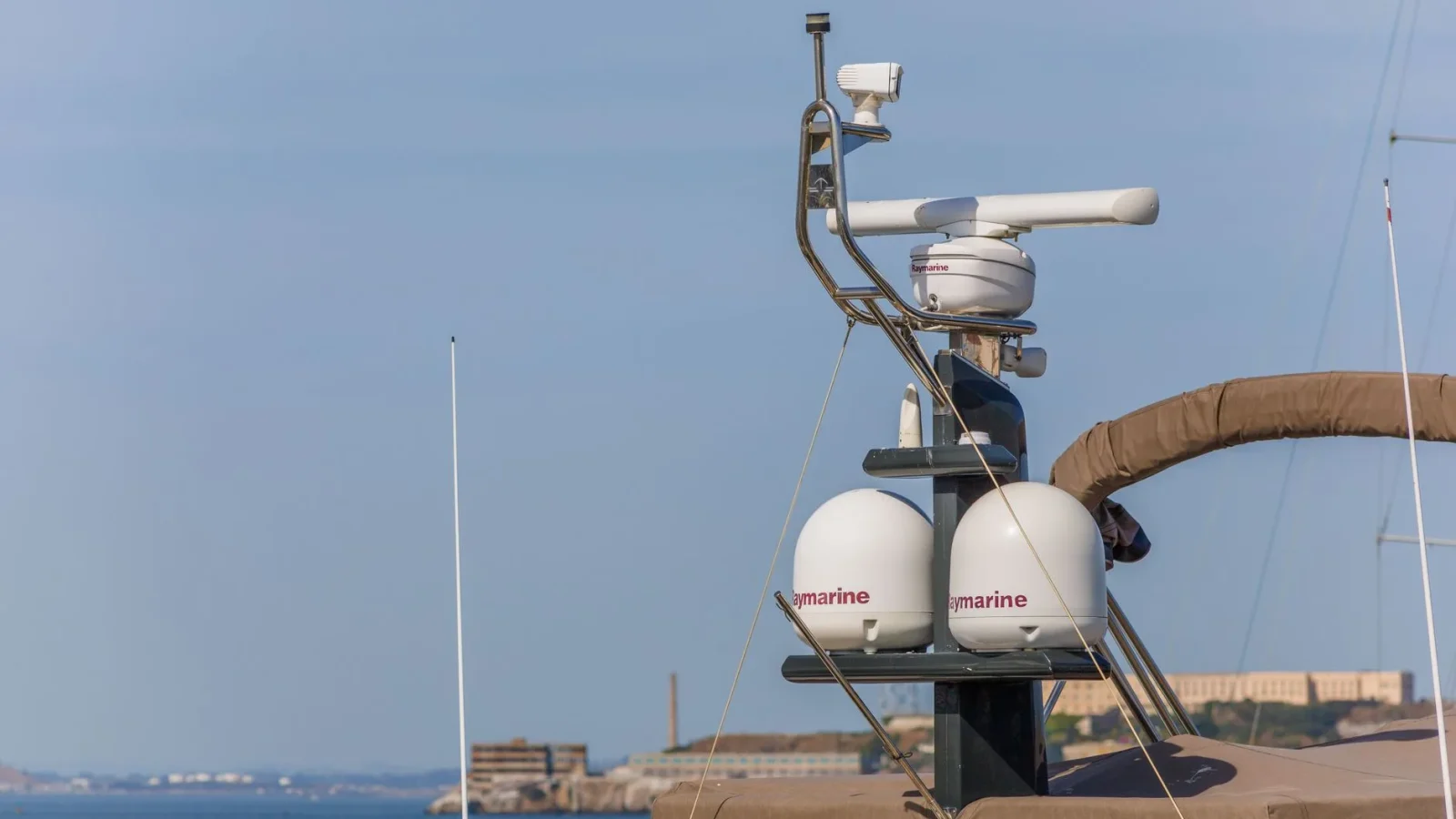
A modern radome, the enclosed spinning-antenna dome, from Garmin, Raymarine, Simrad, or Furuno typically lands between $800 and $2,000 for the sensor itself. If it networks into an existing multifunction display, you avoid buying a second screen, which is the single biggest way to keep the bill down.
The mounting hardware, a mast or arch bracket, adds $150 to $500 depending on how you get the dome up high. Wire, connectors, and a fuse are another $40 to $80. Budget a realistic all-in of roughly $1,200 to $2,800 for a small-boat install that uses a chartplotter you already have.
| Item | Typical spec on a small boat | Rough cost |
|---|---|---|
| Radome sensor | Compact 4 kW-equivalent dome, 18 to 24 in | $800 to $2,000 |
| Mount | Mast, arch, or hardtop bracket | $150 to $500 |
| Display | Share an existing chartplotter | $0 (or $500+ new) |
| Wire, fuse, connectors | 10-gauge to 14-gauge tinned, inline fuse | $40 to $80 |
If you are buying the whole electronics suite at once, plan it as a system rather than one box at a time. Our Marine Electronics Setup Guide walks through fusing, grounding, and how these devices share power and network data without fighting each other.
How much range you really get
Small-boat radar range is limited less by the dome’s power than by how high you can mount it. Radar, like VHF, is roughly line-of-sight, so a dome sitting 4 feet off the water sees far less than the same dome at 12 feet.
A typical compact dome rated around 4 kW-equivalent will, on a 15-foot to 18-foot mast, give you a genuinely useful picture out to about 8 to 16 nautical miles for large targets like land and ships, and 2 to 4 miles for small boats and buoys. That is more than enough for coastal and bay work.
Power draw and wiring the dome
Good news for the 12V-conscious: a compact dome sips power. On standby it pulls almost nothing, and while actively transmitting most small-boat domes draw around 1.5 to 4 amps at 12 volts, in the neighborhood of 20 to 45 watts.
That is a modest load, less than a couple of cabin lights, but you still wire it properly. Run 14-gauge tinned marine wire for short runs and step up to 10-gauge or 12-gauge for longer helm-to-mast runs, sized so voltage drop stays under 3 percent so the dome sees full voltage under load.
Protect the positive feed with an inline fuse at the value the manufacturer specifies, usually 5 to 10 amps, placed within about 7 inches of the bus bar or battery tap. Give radar its own fused circuit, not a shared line with pumps or nav lights, so motor noise stays off the signal.
If your 12V system is already stretched by a fish finder, plotter, and lights, this is a good moment to check your reserve. Adding electronics is often the nudge that pushes owners toward the Lithium Boat Battery Upgrade Guide, because a lighter, deeper battery bank runs a full electronics package longer without a second thought.
Radar versus the other electronics on your budget
Most small-boat owners cannot buy everything at once, so the real question is order of purchase. I rank it by how directly each item keeps you alive and off the rocks.
VHF comes first, always, because it summons help. A chartplotter with charts comes second, so you know where the marked hazards are. A fish finder is third for anglers, and radar slots in right alongside it once you run in poor visibility.
If you are still choosing sonar, our guide on How to Choose a Fish Finder and the comparison in Chartplotter vs Fish Finder Combos will help you avoid buying a screen twice. Many small-boat owners land on a networked plotter first, then bolt a radome onto that same screen a season later, which is the cheapest sensible path to radar.
So, is it worth it for your boat?
Picture two owners. The first fishes a clear inland lake on Saturday afternoons and is always trailered home by dark; for him, radar is a luxury he will rarely switch on, and his money belongs in a solid VHF and plotter.
The second launches a 17-foot boat into coastal fog at dawn and has already had one heart-in-throat run home blind. For her, a $1,500 dome networked to the plotter she already owns is not a toy, it is the difference between guessing and seeing. That is the line, and it has far more to do with your fog and your dawns than your hull length.
The mistake I see most weekends is an owner spending big on a fancy sonar and skipping radar, then getting caught in a whiteout with no way to spot the anchored boat ahead. If any part of your season involves darkness or fog, price out a compact dome that shares your existing screen, wire it clean on its own fused 12V circuit, and get the antenna high. It is one of the few small-boat upgrades that can genuinely keep you out of a collision, and once you have run home in fog with it lit up, you will never want to be without it. For a plain-language primer on how the technology works, the marine radar overview on Wikipedia is a solid starting point before you shop.
Frequently asked questions
How much does radar cost for a small boat?
The radome sensor itself usually runs $800 to $2,000 from Garmin, Raymarine, Simrad, or Furuno. Add $150 to $500 for a mast or bracket, plus wire and a fuse. If it shares a chartplotter you already own, expect a realistic all-in of roughly $1,200 to $2,800.
Does radar drain a small boat's battery?
Not much. A compact dome pulls almost nothing on standby and around 1.5 to 4 amps at 12 volts while transmitting, which is roughly 20 to 45 watts. That is less than a couple of cabin lights, though you still give it its own fused circuit.
How far can small boat radar actually see?
Range depends more on mounting height than on power. On a 15-foot to 18-foot mast, a compact dome gives a useful picture out to about 8 to 16 nautical miles for land and ships, and 2 to 4 miles for small boats and buoys.
Is radar or a chartplotter more important on a small boat?
They answer different questions, so neither fully replaces the other. A chartplotter shows charted hazards and your position, while radar spots un-charted moving targets like other boats in fog or dark. If you must pick one first, most owners buy the plotter, then add a radome later.
Can radar be dangerous on a small boat?
A dome transmits microwave energy while it spins, so you should never stand at its level with it powered on. Mount it high enough that no one's head reaches its plane, and respect the manufacturer's published safe distance. Otherwise it is safe to operate.