Reducing Electrical Noise on Electronics

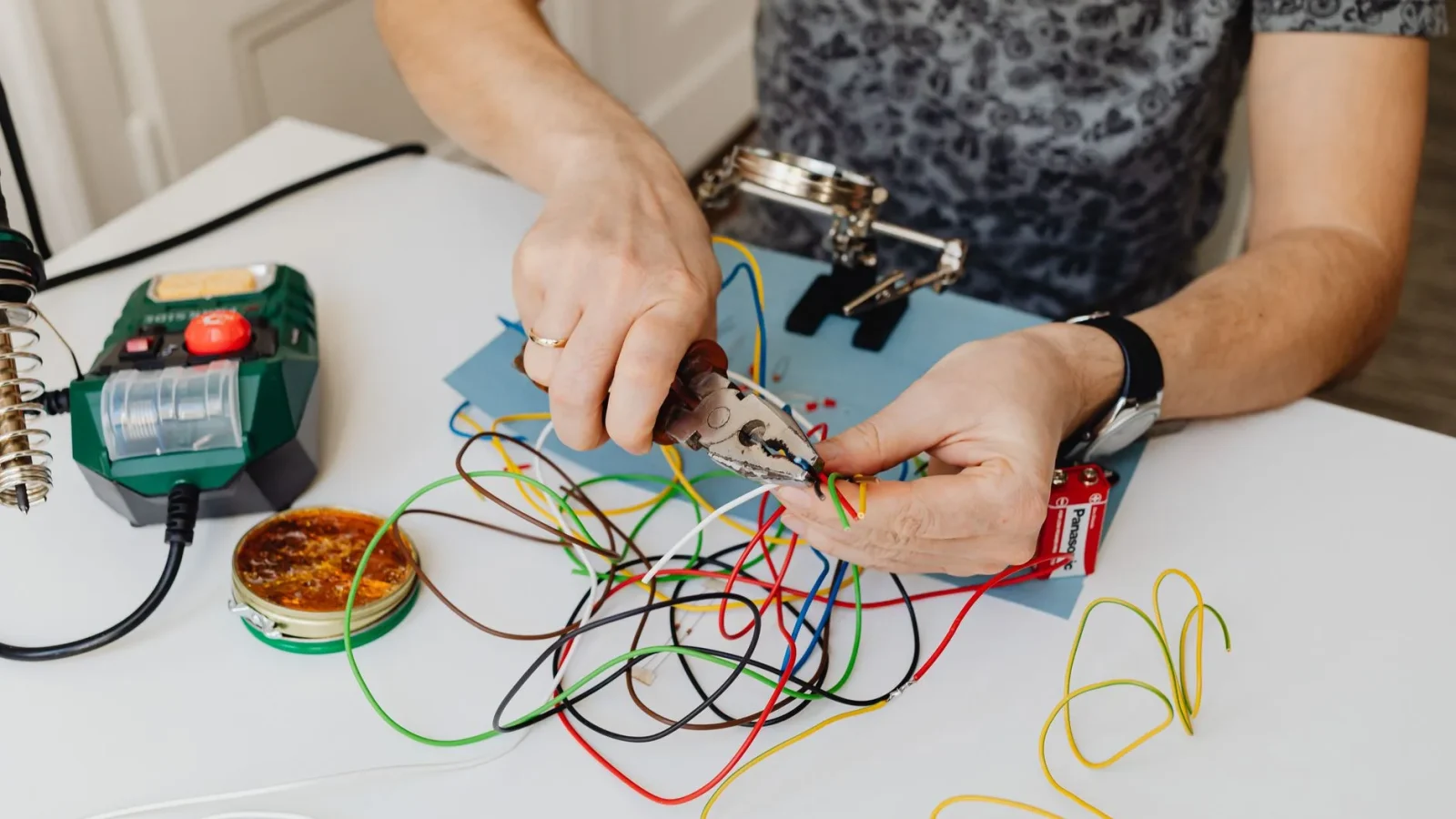
You turn the key, the engine catches, and suddenly your fish finder paints a screen full of fake fish that were never there. Or the VHF radio picks up a rhythmic buzz that rises and falls with the tachometer. That is electrical noise, and it is one of the most common headaches on a boat that is otherwise wired just fine.
The frustrating part is that the gear usually is not broken. The signal it needs is simply drowning in interference generated by the boat’s own electrical system.
Track down the source, break the path it travels, and quiet it. That is the whole job, and you can do most of it in an afternoon with a multimeter and some ferrite chokes.
What electrical noise actually is
Electrical noise is any unwanted electrical signal riding along on your wiring or through the air, mixing into the clean signal your electronics are trying to read. Think of it as static in a phone call: the voice is still there, but the crackle makes it hard to hear.
On a boat that static shows up as speckled sonar returns, a whining VHF, a chartplotter that freezes when the trim tabs run, or GPS that loses lock near the engine. The technical term you will hear is EMI, short for electromagnetic interference, and it travels two ways.
It travels by conduction, meaning it rides directly along a shared wire or ground. And it travels by radiation, meaning it leaks through the air from one cable into a nearby antenna or sensor lead. Knowing which path you are fighting tells you how to stop it.

The three usual suspects
Almost every noise complaint I have chased traces back to one of three things. Start here before you buy a single filter.
1. The engine and charging system
Alternators are the loudest offenders. As the alternator spins it produces a ripple, a small rapid fluctuation in voltage, that rides straight into your 12V system. Ignition systems on gas engines add their own spark noise on top of it.
If the interference changes pitch with engine RPM, you have found your source. That RPM-linked whine is the classic alternator signature.
2. Switching loads
LED lighting, bilge pumps, macerators, water pumps, and cheap inverters all switch current on and off rapidly, and every switch event throws off a burst of noise. LED navigation lights are a surprisingly common culprit because the little driver circuit inside each fixture is a tiny switching supply.
The tell here is simple: the noise appears only when a specific device is running.
3. Grounding and shared power
This is the quiet one, and the most common of all. When two devices share a marginal ground or a long, undersized power wire, current from one creates a small voltage the other reads as noise. Fix the ground and the noise often vanishes without any filter at all.
Tools and materials for the job
You do not need lab equipment. This short kit handles the vast majority of interference problems on a typical boat.
- A decent multimeter ($30 to $60) to check voltage drop and ground resistance.
- Clip-on ferrite chokes ($1 to $5 each) sized to fit your cables. These clamp around a wire and absorb high-frequency noise.
- An inline noise filter or power line filter ($15 to $40) for stubborn feeds like a chartplotter or stereo.
- Tinned marine wire in the correct gauge and a few ring terminals for cleaning up grounds.
- Cable ties and spiral wrap to reroute and separate cables.
Step by step: hunting down the noise
Work through these in order. Skipping the diagnosis and jumping straight to filters is the mistake I see most weekends, and it wastes money.
- Reproduce the noise on demand. Note exactly when it happens: engine running, a pump on, the radio keyed. If you cannot make it appear reliably, you cannot confirm you fixed it.
- Isolate the source. With the noise present, switch loads off one at a time. When the interference stops, the last thing you turned off is your culprit. For engine-linked noise, watch whether it tracks RPM.
- Check the ground first. Set your multimeter to measure voltage between the affected device’s ground terminal and the battery negative, with everything running. Anything above about 0.2 volts means a poor ground path that is likely feeding noise. Clean the connection or run a fresh ground wire.
- Check the power feed. Measure voltage drop along the device’s positive wire under load. More than roughly 3% of system voltage (about 0.36 volts on a 12V system) means the wire is too small or too long. Our guide to the Marine Electronics Setup Guide walks through sizing these runs properly.
- Separate the cables. Physically move antenna, transducer, and sensor leads away from power, ignition, and pump wiring. Aim for at least 12 inches of separation, and cross them at 90 degrees rather than running them parallel.
- Add a ferrite choke. Clip one over the power leads of the offending device, close to the device, and add a second turn of wire through it if there is room. This is the cheapest fix for radiated and conducted high-frequency noise.
- Add an inline filter if needed. For a persistent whine on a specific unit, an inline power filter on that device’s supply is the next step. Install it close to the electronics, not back at the panel.
A worked example: the whining fish finder
A center console I sorted out last spring had a brand-new sonar unit that speckled the whole screen the moment the engine started. The owner assumed the transducer was defective and had already ordered a replacement.
It was not the transducer. The noise tracked engine RPM perfectly, which pointed straight at the alternator.
Here is how the diagnosis and fix stacked up, step by step and with the numbers.
| Check | Reading found | What it meant | Fix applied |
|---|---|---|---|
| Ground voltage, unit to battery negative | 0.41 V | Poor ground path | New 12 AWG ground direct to bus bar |
| Power feed voltage drop | 0.55 V | Undersized 18 AWG feed | Rewired with 14 AWG tinned wire |
| Residual whine after rewiring | Faint, RPM-linked | Alternator ripple on the line | Ferrite choke on power leads |
The new ground and the heavier power feed took out about 80% of the speckle on their own. The clip-on ferrite choke, a $3 part, cleaned up the last faint whine. Total parts cost was under $20, and the replacement transducer went back in the box.
That is the pattern nearly every time. Grounding and wire sizing do the heavy lifting, and a cheap filter mops up the remainder.
Preventing noise before it starts
The easiest interference to fix is the kind you design out. When you install a new unit, give it its own dedicated power and ground back to the battery bus or a distribution block, not a tap spliced off the nearest wire.
Use tinned marine wire sized generously. Going one gauge heavier than the minimum costs a few dollars and buys you margin against voltage drop, which is a direct defense against noise.
Keep signal and power cables in separate bundles from day one. It is far easier to route them apart during an install than to pull them apart later behind a packed dash.
Big loads deserve special care. If you are adding an inverter or upgrading your bank, the switching electronics and heavy currents involved can inject noise across the whole boat, so plan the layout deliberately. Our Lithium Boat Battery Upgrade Guide covers keeping those high-current paths clean.
Choosing gear that plays nicely
Some electronics are simply quieter neighbors than others. Cheap no-name LED fixtures and bargain inverters are frequent noise sources, while reputable marine brands build in filtering. If you are still selecting units, our comparison of Chartplotter vs Fish Finder Combos and the guide on How to Choose a Fish Finder both factor installation and interference into the picks.
Getting your electronics quiet and keeping them there
A boat with clean electronics is not lucky, it is wired with intention. The grounds are short and solid, the power feeds are sized right, and the signal cables run their own path away from the engine’s electrical racket.
Chase the source before you reach for a filter, and let a $3 ferrite choke finish what good wiring started. Do that, and the fake fish disappear, the radio goes quiet between transmissions, and the GPS holds its lock right past the engine.
Fix it once at the root and you stop thinking about it, which on the water is exactly where your attention should be.
Frequently asked questions
Why does my fish finder show fake fish when the engine runs?
That speckle is almost always alternator or ignition noise, not a bad transducer. If the interference changes with engine RPM, the charging system is the source. Start by checking the sonar unit's ground and power feed, then add a ferrite choke on the power leads if a faint whine remains.
How do I know whether it is a grounding problem or something else?
Set a multimeter to measure voltage between the affected device's ground terminal and the battery negative while everything is running. A reading above about 0.2 volts points to a poor ground path that is likely feeding noise. Clean or rerun that ground before spending money on filters.
Do ferrite chokes actually work on boat electronics?
Yes, for high-frequency conducted and radiated noise they work well and cost only a dollar or two. Clip one over the device's power leads close to the unit, and pass the wire through a second time if there is room. They will not fix a bad ground or an undersized wire, so handle those first.
How far should I keep antenna and sensor cables from power wiring?
Aim for at least 12 inches of separation between signal cables and power, ignition, or pump wiring. Where cables must cross, cross them at 90 degrees rather than running them side by side. Keeping bundles separate during the install prevents most radiated interference before it starts.
Can LED lights cause interference on a boat?
They can. Each LED fixture contains a small switching driver circuit that can throw off noise, and cheap no-name fixtures are the worst offenders. If the interference appears only when certain lights are on, that is your culprit. A ferrite choke on the light's supply or a better-quality fixture usually cures it.