Pure Sine vs Modified Sine Inverters

Plug a cheap inverter into your boat and run a laptop off it, and most of the time nothing bad happens. Plug that same inverter into a variable-speed water pump, a CPAP machine, or a battery charger with a switching supply, and you might hear a buzz, smell something warm, or watch a device flat-out refuse to run. That gap in behavior is the whole story behind pure sine vs modified sine inverters, and it decides which one belongs on your boat.
An inverter takes 12V (or 24V) direct current from your battery bank and turns it into 120V alternating current, the kind of power that comes out of a wall socket at home. The difference between the two types is the shape of that AC wave, and that shape matters more than the marketing on the box lets on.
What the wave shape actually means
Grid power and shore power both come as a smooth sine wave: voltage that rises and falls in a gentle curve, 60 times a second. Every appliance sold in North America is designed around that curve.
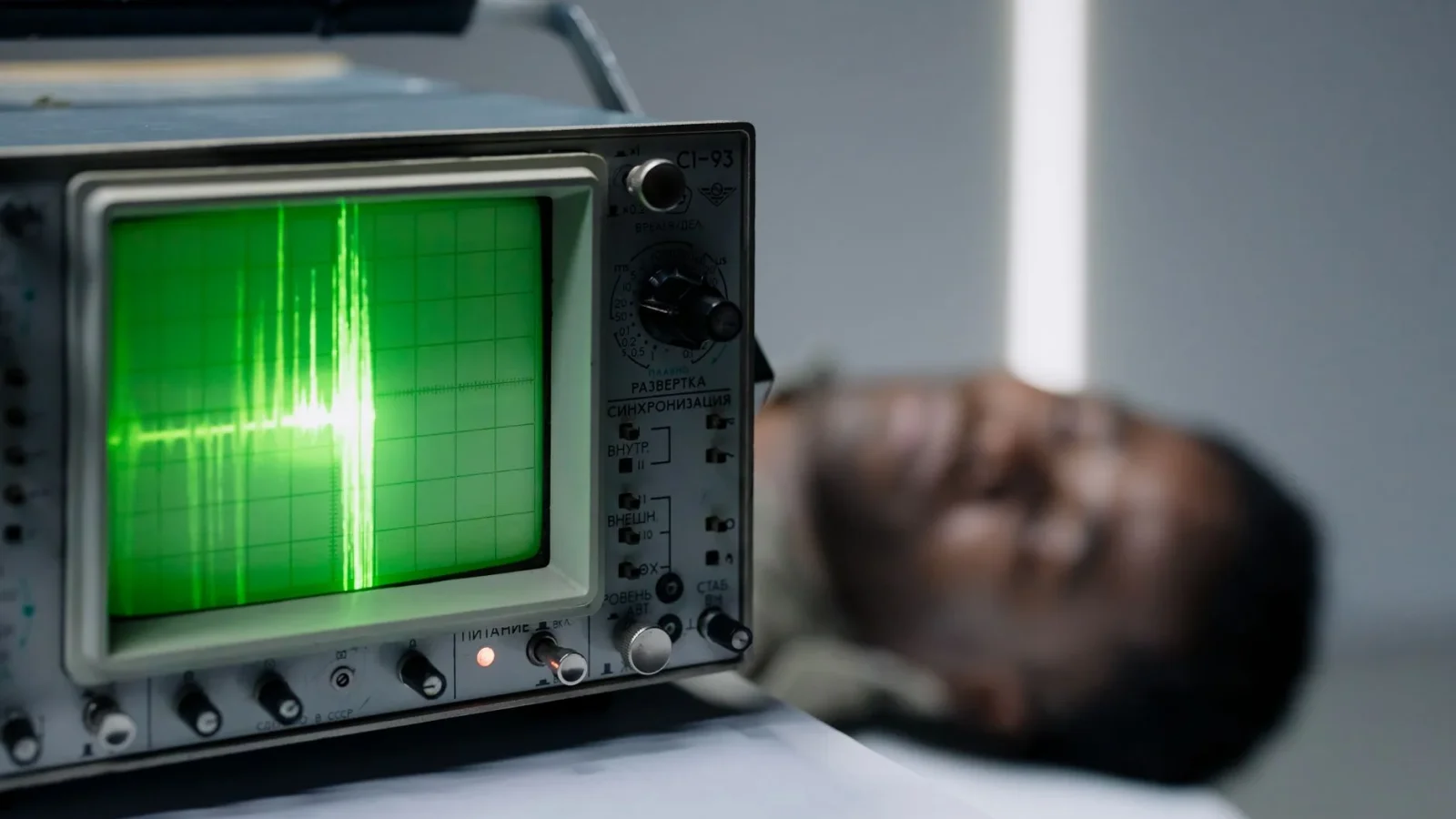
A pure sine wave inverter recreates that smooth curve almost perfectly. Put an oscilloscope on it and you see the same clean hump you would get from a wall outlet.
A modified sine wave inverter cheats. Instead of a curve, it produces a stepped, blocky approximation, voltage that jumps up, holds flat, drops to zero, then flips negative. It is really a modified square wave, and calling it “modified sine” is generous. It is cheaper to build because the electronics inside are simpler.
Why the shape trips up certain gear
Anything with a motor, a transformer, or a switching power supply reads that blocky wave as noise. Induction motors run hotter and lose efficiency, sometimes 20 to 30 percent, because the harmonics in the wave get turned into heat instead of motion.
Electronics with cheap power supplies can buzz audibly or overheat their internal regulators. And some devices with active power-factor correction, common in newer laptop bricks and LED drivers, simply refuse to power on because they cannot make sense of the input.

Head-to-head comparison
Here is how the two stack up on the things a boat owner actually cares about. Prices reflect typical 1000 to 2000 watt marine-grade units as of this year.
| Factor | Pure sine wave | Modified sine wave |
|---|---|---|
| Power quality | Clean curve, matches shore power | Blocky stepped wave, high harmonics |
| Runs sensitive electronics | Yes, everything | Sometimes, with buzz or heat |
| Runs motors and pumps | Full efficiency | Hotter, 20 to 30 percent loss |
| Medical devices (CPAP, etc.) | Safe | Not recommended, often refused |
| Typical price, 2000W unit | $300 to $700 | $150 to $350 |
| Audible noise from devices | None | Common hum or buzz |
| Best use | Whole-boat AC, mixed loads | Simple resistive loads only |
When modified sine actually wins
Modified sine is not a scam. For the right job it saves real money and works fine.
If all you power is a resistive load, meaning a device that is basically a heating element or an incandescent bulb, the wave shape barely matters. A 700W work light, a soldering iron, an old-school drip coffee maker with a mechanical switch: these do not care.
A small fishing boat I helped set up two seasons back ran a 400W modified sine unit purely for charging cordless tool batteries and running a spotlight during night runs. It cost the owner about $90, and five years later it is still fine because nothing he plugs in is fussy.
When pure sine is the only sane choice
The list of gear that needs clean power keeps growing every year as electronics get smarter and cheaper power supplies get pickier.
Run any of these and you want pure sine: laptops with modern chargers, TVs, microwave ovens (they run at reduced power and cook unevenly on modified sine), variable-speed pumps, refrigeration compressors, battery chargers with switching supplies, and anything with a sensitive timer or clock.
Medical devices are the hard line. CPAP machines, oxygen concentrators, and nebulizers should only ever see a pure sine wave. The manufacturers say so in writing, and I have watched a CPAP throw a fault code the instant it hit modified sine power. That is not a risk worth $150.
Sizing and wiring do not change with wave type
One thing that trips people up: the wave shape has nothing to do with how you size or wire the unit. A 2000W inverter of either type pulls the same battery current for the same load, and needs the same fat cables.
At 2000W and 12V, you are looking at roughly 180 to 200 amps of DC draw at full tilt. That demands 2/0 gauge cable on a short run, a properly rated fuse within 7 inches of the battery, and a bank that can actually deliver the current. If you are unsure of the math, our walkthrough on how to size a marine inverter lays it out with real numbers.
The broader picture of how the inverter fits alongside your charger, batteries, and shore connection lives in the Boat Inverter and Charger Guide, which is the place to start if you are building a system from scratch.
The mistake I see most weekends
Somebody buys the cheapest inverter on the shelf, wires it in, and then wonders why their new laptop charger runs hot or their trolling-motor battery charger clicks and refuses to start. Nine times out of ten it is a modified sine unit feeding gear that hates it.
The fix is almost always to swap for pure sine, and the owner ends up spending more than if they had bought right the first time. The $150 they saved up front turns into a $150 mistake plus the cost of the correct unit.
If your boat charging setup is more involved, with a DC-DC charger feeding a second battery or a smart shore power charging routine keeping the bank topped without cooking cells, you already have sensitive electronics on board. That system deserves clean power from the inverter too.
My recommendation, with the caveats
For 90 percent of boats, buy pure sine and stop thinking about it. The price premium is small now, it runs everything, and it removes an entire category of “why won’t this work” problems from your weekends on the water.
The honest caveat: if you genuinely run nothing but resistive loads and you want to save money, a modified sine unit is a legitimate choice, not a compromise. Make an actual list of everything you will plug in, check each item for a motor, a digital display, or a switching supply, and if the list comes back clean, save the cash.
When you are ready to tie the inverter into the rest of the boat’s power and electronics, the Marine Electronics Setup Guide covers grounding, noise, and layout so your clean AC power stays clean all the way to the outlet. Get the wave shape right first, and the rest of the system has a much easier job.
Frequently asked questions
Can a modified sine wave inverter damage my electronics?
It can, though usually slowly rather than instantly. The blocky wave makes power supplies and small motors run hotter than they should, which shortens their life over months of use. Sensitive gear like laptops, TVs, and medical devices should always run on pure sine to avoid the risk.
Is pure sine worth the extra cost for a boat?
For most boats, yes. The price gap has shrunk to roughly 30 to 60 percent, and pure sine runs everything without buzzing, overheating, or refusing to start. The one exception is a boat that only powers simple resistive loads like work lights and basic chargers.
Will a modified sine inverter run a coffee maker or microwave?
A basic drip coffee maker with a mechanical switch runs fine on modified sine. A microwave technically runs but at reduced power, so it cooks slower and less evenly. Any coffee maker or microwave with a digital display or timer belongs on pure sine.
Do I wire a pure sine inverter differently than a modified sine one?
No. The wave shape does not change the DC current draw, cable size, or fuse requirements. A 2000W unit of either type pulls around 180 to 200 amps at 12V and needs the same heavy 2/0 cable and a fuse within 7 inches of the battery.
Can I run a CPAP machine on a modified sine inverter?
You should not. CPAP machines, oxygen concentrators, and nebulizers are designed for clean sine wave power, and many will throw a fault or refuse to start on modified sine. Always use a pure sine inverter for any medical device on board.