12V Wiring Systems
Heat Shrink and Sealing Marine Connections
A dock-side walkthrough for sealing 12V boat wiring with adhesive-lined heat shrink so salt water and corrosion stay out of your connections.
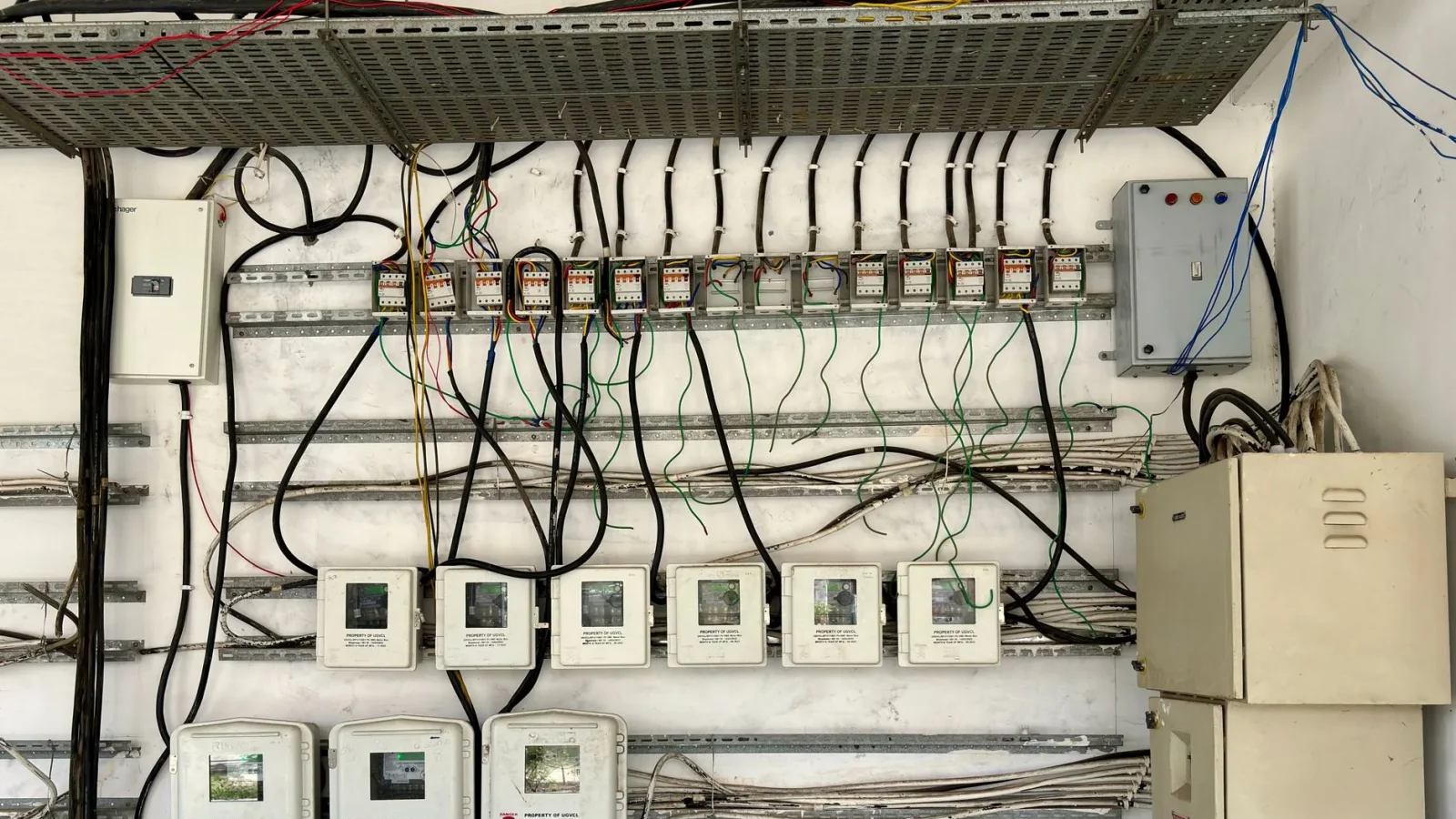
Most electrical failures on a boat trace back to wiring, not the gear plugged into it. This section is the hands-on core of the site: choosing wire gauge for length and load, protecting every circuit with the right fuse or breaker, and building tidy busbars and grounds that survive salt and vibration. We follow ABYC thinking in language a weekend owner can use, cover crimping, heat-shrink, and marine-grade tinned wire, and explain how corrosion quietly steals voltage. You will find fault-finding walkthroughs, voltage-drop math made simple, and layouts that make future repairs painless. Good wiring is invisible when it works and infuriating when it does not, so the focus stays on connections that stay tight, dry, and safe for years of hard use.
19 articles in this topicA dock-side walkthrough for sealing 12V boat wiring with adhesive-lined heat shrink so salt water and corrosion stay out of your connections.
How to size, mount, and wire a marine busbar the right way, with real amp figures, torque specs, and a worked load…
Voltage drop is the quiet tax on every 12V circuit. Learn the 3 percent rule, round-trip length, and how to size wire…
Fuses or circuit breakers on your boat? A marine electrician compares cost, resets, and safety, then says exactly what to install and…
A dockside walkthrough for sizing marine wire gauge on 12V boats, with real amp charts, a windlass example, and voltage drop rules.
Learn to read a boat wiring diagram the easy way: know the symbols, follow the current from positive to ground, and trace…
The fundamentals of 12v boat wiring: circuits, wire gauge, fuses, voltage drop, and grounding, explained by a marine electrician who has rewired…