Marine Electronics
Transducer Types and Mounting
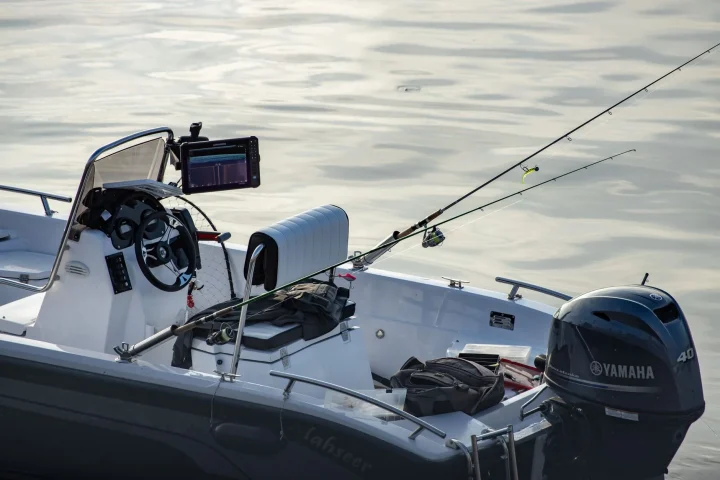
How the three transducer types differ, where to mount each one, and the placement and wiring mistakes that quietly ruin sonar performance.
The screens and sensors that make boating safer are also the loads straining your 12V system, so this section keeps one eye on power and one on performance. We cover fish finders and transducers, chartplotters and GPS, VHF radios, radar, and trolling motors, with setup advice that goes beyond the manual. You will learn how to network devices with NMEA, mount and wire electronics so they survive spray and pounding, and reduce the interference that scrambles a display. Buying guidance stays practical and budget-aware, focused on what actually helps on the water rather than spec-sheet bragging rights. Whether you are rigging a bass boat or a coastal cruiser, the aim is reliable electronics that draw sensible current and keep working when the weather turns.
18 articles in this topicHow the three transducer types differ, where to mount each one, and the placement and wiring mistakes that quietly ruin sonar performance.
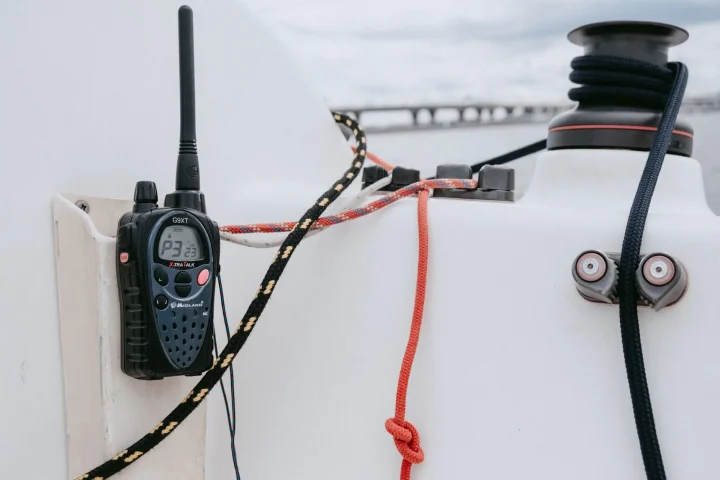
A dockside walkthrough to install a marine VHF radio, from antenna height and coax to clean 12V power, DSC, and MMSI registration.
One screen for navigation and sonar, or two dedicated units? Here is how a chartplotter fish finder combo really compares for weekend…
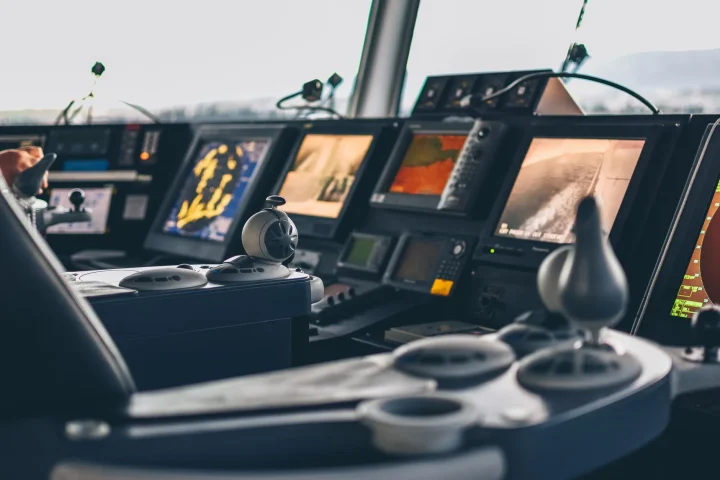
A dockside walkthrough for wiring a chartplotter cleanly, from picking the right gauge to fusing, crimping, and testing before you close the…
A dockside walkthrough on how to choose a fish finder, from frequency and screen size to transducer mounting and clean 12V wiring.
Get power, grounding, and your data network right first, then a plotter, VHF, and transducer just work. A beginner primer to a…