Battery Isolators vs VSR: What to Use

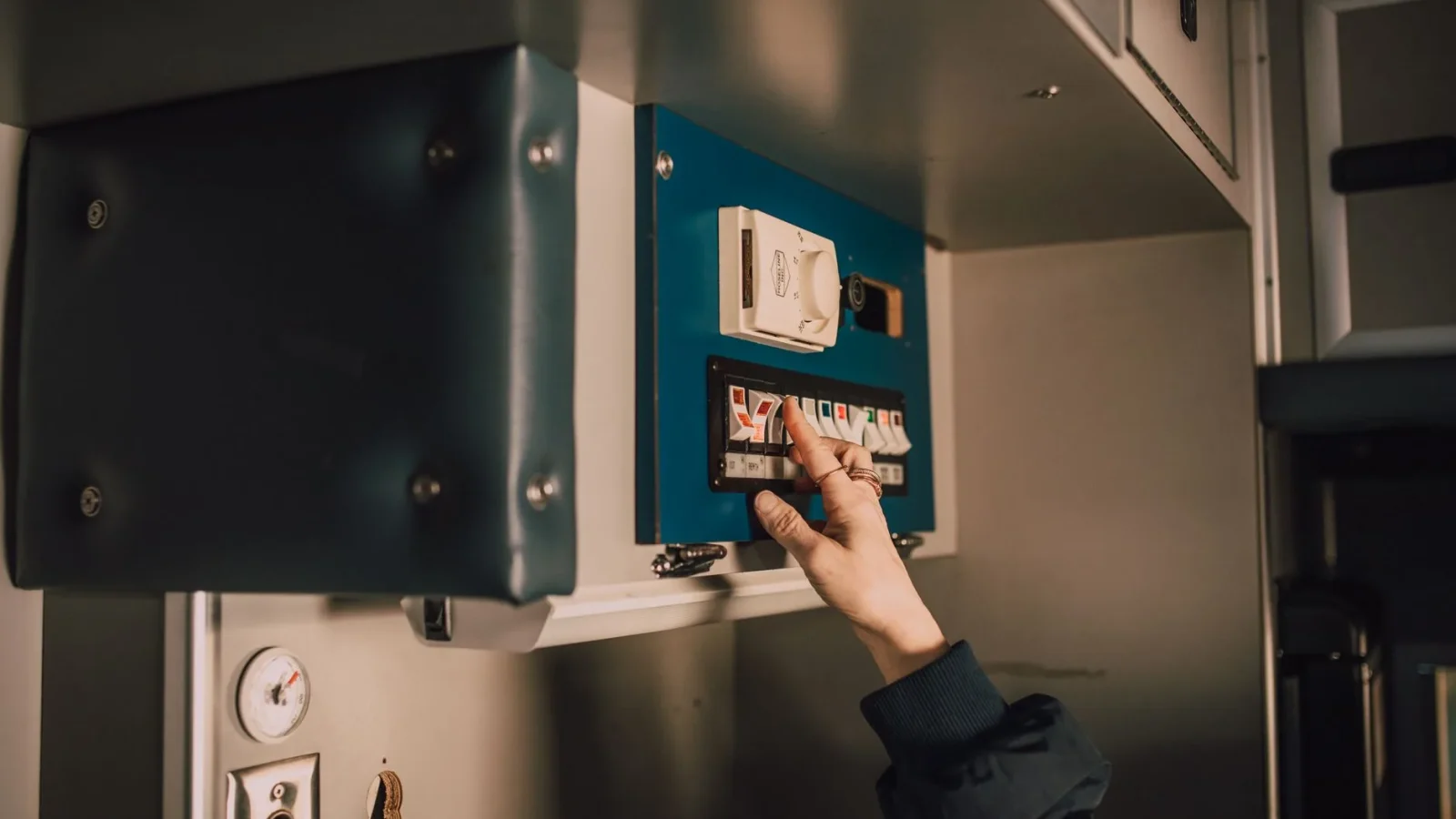
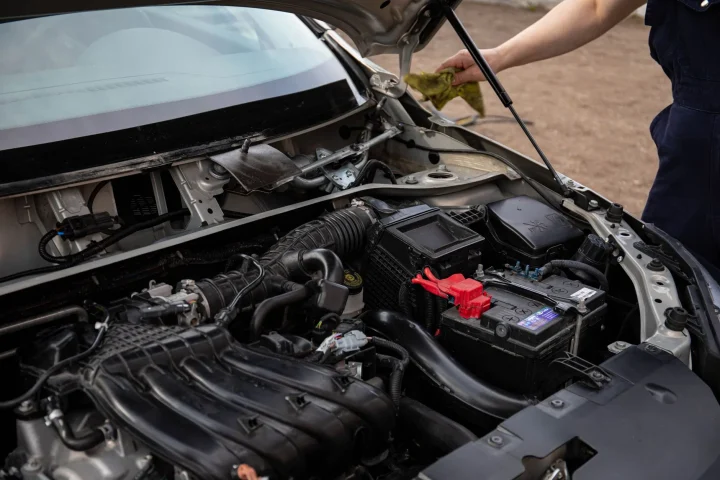
Two batteries, one alternator, and a decision that trips up more first-time boat owners than almost anything else in the electrical bay. You want the engine to charge both your starting battery and your house bank, but you do not want a long night of anchor lights and stereo to leave you stranded with a dead starter in the morning. That is the whole job in a sentence, and there are two common parts that do it.
One is an isolator. The other is a voltage-sensitive relay, usually written VSR. They solve the same problem in different ways, and the wrong pick can cost you charging voltage, a slow-cranking engine, or a battery that never quite fills up.
Let me walk you through the honest tradeoffs so you can wire it once and forget about it.
What each device actually does
Start with the shared goal. You have a starting battery whose only job is to crank the engine, and a house battery bank that runs lights, pumps, electronics, and the fridge. You want the alternator to top up both while the engine runs, but you want them electrically separate the rest of the time so house loads never touch your cranking reserve.
A battery isolator in the traditional sense is a block of diodes. A diode is a one-way valve for electricity, so current from the alternator flows out to each battery but cannot flow back or crossover between banks. The banks stay isolated at all times, which is where the name comes from.
A VSR, or voltage-sensitive relay, is a relay that watches battery voltage. When it sees charging voltage (typically around 13.3 volts) it closes and links the two banks so both charge together. When voltage drops after the engine stops (around 12.8 volts) it opens and separates them again. You may also see it sold as an ACR, an automatic charging relay, which is the same idea with a nicer name.
The core difference: the isolator separates with diodes and pays a voltage penalty forever, while the VSR separates with a switch and pays almost nothing once it is closed.

The head-to-head comparison
Here is how they stack up on the things that actually matter when you are standing at the panel deciding.
| Factor | Diode isolator | VSR / ACR |
|---|---|---|
| How it separates banks | Diodes (always isolated) | Relay that opens and closes |
| Voltage drop | 0.6 to 0.7 V lost as heat | Roughly 0.02 V once closed |
| Moving parts | None | One relay contact |
| Charges batteries fully | Only if alternator is compensated | Yes, both see near-full voltage |
| Works with lithium | Poorly (voltage loss hurts) | Yes, with a lithium-rated model |
| Heat / cooling needs | Runs hot, needs a heat sink | Runs cool |
| Typical price | $40 to $120 | $30 to $90 |
| Wiring complexity | Simple, no ground or trigger | Needs a small ground/sense wire |
Where the diode isolator wins
The isolator is not obsolete. It has real strengths when the situation fits.
It has no moving parts, so nothing wears out or sticks. On a boat that sees hard weekly use for fifteen years, a relay contact eventually fails, while a diode block just sits there and works.
It is also dead simple to wire: alternator in, two battery outputs, done. There is no sense wire, no ground, no trigger circuit to get wrong. If you are rescuing a 1980s cruiser with an old externally regulated alternator, an isolator can be the path of least resistance.
The catch is that voltage drop. Modern isolator setups solve it by moving the alternator’s voltage sense wire to the battery side of the diode, so the regulator sees the true battery voltage and pushes harder to compensate. Some marine isolators use MOSFETs instead of plain diodes to cut the drop to around 0.1 volt. If your isolator does neither, your batteries will never reach full charge.
Where the VSR wins
For most boats sold in the last twenty years, the VSR is the smarter default, and the reason is voltage.
Because the relay is essentially a closed copper switch when it is engaged, both batteries see nearly the same voltage the alternator produces. No penalty, no chronic undercharging, no need to reprogram a regulator. Whatever your alternator makes, your batteries get.
A VSR is also directionally smart. If your house bank gets charged first, say from a solar array feeding the house side, the VSR senses that voltage and closes to share the charge back to your starter. An isolator cannot do that, since diodes only push one way.
The tradeoff is that a VSR has one relay contact, and relays can chatter or weld if you undersize them. Buy one rated well above your alternator output. A 120-amp VSR on a 90-amp alternator gives you margin. This ties directly into your wider Marine Battery Bank Setup Guide, where relay sizing and cable gauge get decided together.
A dockside story worth learning from
A boat I rewired last spring, a 34-foot sailboat, came to me with a diode isolator and an owner baffled that his brand-new pair of AGM batteries died in two seasons. The isolator was original, plain diodes, and the alternator sense wire was on the wrong side of it.
His batteries were seeing 13.4 volts on a good day. AGM wants around 14.4 to 14.6 to charge properly, so they lived their entire short lives at maybe 75 percent full. Sulfation did the rest.
We pulled the isolator, dropped in a 120-amp VSR, and ran a new 4-gauge cable between the banks. His resting charge voltage jumped to 14.5 at the battery. Same alternator, same batteries would have lasted years longer. That single wrong component was quietly killing his batteries, and he had no idea because nothing looked broken.
The mistake I see most weekends is exactly that: a healthy alternator, decent batteries, and a device in between silently stealing volts. If your batteries chronically underperform, put a meter on them while the engine runs and check the voltage right at the terminals.
Matching the choice to your batteries
Your battery chemistry should drive this decision as much as anything. The tolerances are different for each type, and getting them right matters more than the brand on the case. It helps to read up on AGM vs Flooded vs Gel Batteries before you commit hardware.
- Flooded: Forgiving. A well-compensated isolator or any VSR both work. Flooded batteries tolerate a slightly wider voltage window.
- AGM: Fussy about full charge voltage. Strongly favor a VSR so the bank actually reaches its target.
- Gel: Sensitive to overvoltage. A VSR paired with a matched regulator is safest.
- Lithium (LiFePO4): Skip the isolator entirely. Use a lithium-rated VSR or, better, a dedicated DC-DC charger.
Sizing the bank correctly comes first, though. If you are still working out how many amp-hours you need, our guide on how to size a house battery bank will save you from buying the wrong hardware twice. And if you plan to combine batteries, get the series and parallel wiring sorted before you add any combining device.
My recommendation, with the caveats
For a new install on a typical recreational boat with AGM, gel, or flooded batteries, fit a VSR sized at least 25 percent above your alternator output. It delivers full charging voltage, it is affordable, and it plays well with solar. That is the default I reach for nine times out of ten.
Choose a diode isolator only if you want zero moving parts and you either have a MOSFET-style low-drop unit or you can move the alternator sense wire to compensate. On an older boat with a simple regulator, that path can be cleaner than adding relay logic.
If you run lithium, ignore both of the simple options and budget for a DC-DC charger. It costs more, but it is the only device that gives lithium the controlled charge profile it demands. For the wiring standards behind any of these, the BoatUS dual-battery reference and the ABYC standards are worth a read before you cut a single cable.
Wire it once, meter it at the terminals, and let your batteries live the long life they were built for.
Frequently asked questions
Is a VSR better than a battery isolator?
For most modern boats, yes. A VSR passes nearly full charging voltage to both banks, while a plain diode isolator loses about 0.6 volts as heat and can chronically undercharge your batteries. The isolator still suits older setups or anyone wanting zero moving parts, especially with a low-drop MOSFET unit.
Why does a diode isolator drop voltage?
Diodes are one-way valves for electricity, and passing current through them costs roughly 0.6 to 0.7 volts, which turns into heat. That loss means a 14.2 volt alternator can arrive at the battery as only 13.5 volts. Moving the alternator sense wire to the battery side, or using a MOSFET isolator, cuts the penalty.
Can I use a battery isolator with lithium batteries?
Avoid a plain diode isolator with lithium (LiFePO4) banks. Lithium charges at a precise voltage, so a 0.6 volt loss can leave it stuck near 80 percent full. Use a lithium-rated VSR or, better still, a dedicated DC-DC charger that controls the charge profile.
What size VSR do I need for my alternator?
Choose a VSR rated at least 25 percent above your alternator output. A 90-amp alternator pairs well with a 120-amp VSR, giving margin so the relay contact does not chatter or weld under load. Undersizing is the most common way people kill a relay early.
Do I still need a battery switch if I have a VSR?
Yes. A VSR handles automatic charging, but it is not an on/off master switch or an emergency parallel. Keep a manual battery switch so you can isolate banks for service, combine them by hand to jump a dead start battery, and cut power for storage or a fault.