AGM vs Flooded vs Gel Batteries

Pop the hatch on a hundred cruising boats and you will find all three chemistries fighting for space under the settee: cheap flooded batteries that need water, sealed AGMs that do not, and the odd gel bank that somebody swears by. They all say “deep cycle” on the label, they all put out 12 volts, and they all cost real money. So which one belongs on your boat?
That is the honest question behind agm vs flooded vs gel, and the answer depends less on which chemistry is “best” and more on how you cruise, where the batteries live, and how much you want to fuss with them. I have installed all three, and each one has a boat it is right for.
Let me lay them out fairly, then tell you where each one actually wins.
The one thing they have in common
Start here, because it clears up half the confusion. Flooded, AGM, and gel are all lead-acid batteries. Same lead plates, same sulfuric acid, same basic chemistry that has powered boats for a century.
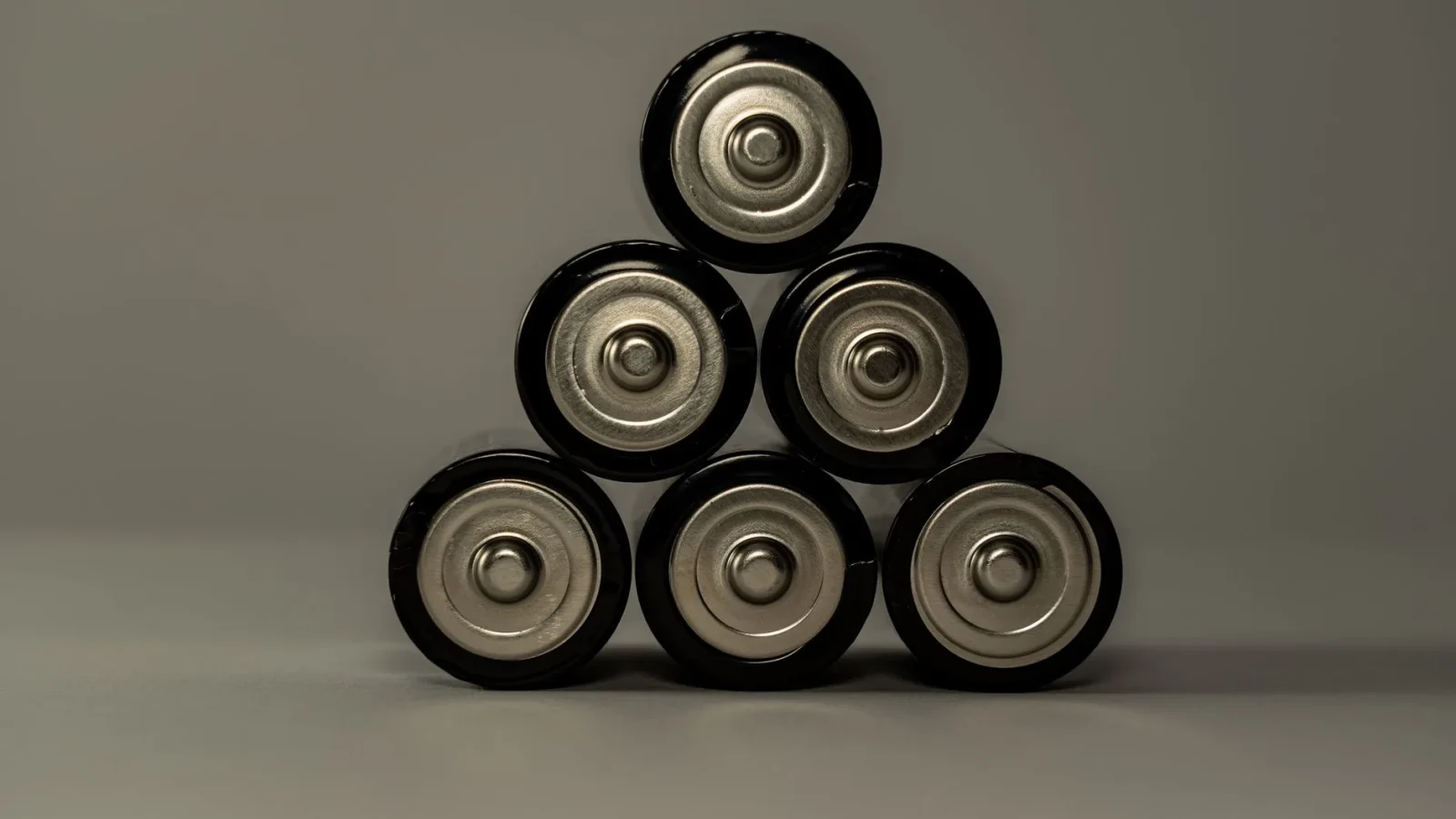
What changes is how the acid (the “electrolyte”) is contained. In a flooded battery the acid is a free liquid sloshing around the plates. In an AGM (absorbed glass mat) battery it is soaked into a fiberglass sponge pressed between the plates. In a gel battery a silica additive turns it into a firm jelly.
That single design choice ripples through everything: price, maintenance, how fast you can charge, how they handle vibration, and how they age. Get that, and the rest of the comparison makes sense.

Head to head: the numbers that matter
Here is the side-by-side I wish someone had handed me when I bought my first bank. Prices are rough 2026 dock-level figures for a quality 100Ah deep-cycle battery, and the cycle counts assume you stay near the 50 percent discharge that lead-acid prefers.
| Feature | Flooded | AGM | Gel |
|---|---|---|---|
| Cost per 100Ah | $150 to $300 | $250 to $450 | $350 to $550 |
| Maintenance | Add water regularly | None, sealed | None, sealed |
| Spillable? | Yes, vents acid | No, sealed | No, sealed |
| Charge speed | Moderate | Fast, high current OK | Slow, current-limited |
| Vibration tolerance | Fair | Excellent | Good |
| Typical cycle life at 50% DoD | 300 to 700 | 400 to 900 | 500 to 1,000 |
| Self-discharge per month | 5 to 15% | 1 to 3% | 2 to 4% |
| Fussy about charger? | Forgiving | Moderate | Very fussy |
Notice that no column runs the table. Flooded wins on price. AGM wins on convenience and charge speed. Gel edges the others on gentle longevity but only if you baby it.
Depth of discharge applies to all three
One number I did not vary in that table is depth of discharge, the percentage of the battery you drain before recharging. Every lead-acid chemistry lives far longer if you stop around 50 percent, which is why a 100Ah battery only gives you about 50 amp-hours of honest, repeatable use. Drain any of them flat regularly and you will halve their life. If that trade-off is new to you, What Depth of Discharge Really Costs You spells out the math.
Flooded: the workhorse that wins on price
Flooded batteries are the ones with the little screw caps on top. You can open them, check the acid level, and top them off with distilled water. That openness is both their strength and their headache.
The strength is cost. Dollar for amp-hour, nothing beats a flooded golf-cart battery. A pair of 6-volt GC2 golf-cart batteries wired in series gives you a rugged 200 to 230Ah at 12 volts for around 300 to 400 dollars total, and they shrug off deep cycling better than most 12-volt flooded units. If you want to understand that series trick, Wiring Batteries in Series and Parallel walks through it.
The headache is maintenance and gassing. Flooded batteries release hydrogen when charging, so they need a vented battery box and cannot be mounted on their side or in a sealed locker. You also have to check the water every month or two in the cruising season.
AGM: the low-fuss middle ground
If I had to pick one chemistry for the average weekend and coastal cruiser, it would be AGM, and it is not close. Sealed, no watering, mount it in any orientation, and it drinks charge current fast so it recovers quickly from a hard night at anchor.
AGMs also have very low self-discharge, around 1 to 3 percent a month, so the boat that sits three weeks between trips still cranks the engine when you show up. They handle vibration beautifully too, which matters more than people think on a boat that pounds through chop.
The cost is the trade. You pay 30 to 60 percent more than flooded for the same amp-hours, and when an AGM finally dies you cannot open it up to nurse it. When it is done, it is done. For most owners, that premium buys real peace of mind, and AGM slots neatly into the plan I lay out in the Marine Battery Bank Setup Guide.
Gel: the specialist, not the default
Gel batteries get recommended a lot by people who last used one in 2005. They are genuinely good at a narrow set of jobs, and genuinely easy to ruin outside them.
Where gel shines is slow, deep, gentle cycling: a trolling-motor bank, a quiet liveaboard drawing a steady low load, or an application with lots of small discharges. In that role a gel battery can outlast an AGM. Its thick electrolyte also tolerates deep discharge a touch better than the others.
The catch is charging. Gel cannot take high charge current or high voltage without forming gas bubbles inside the jelly that never heal, and that kills capacity fast. You must have a charger with a true gel setting, and you cannot bulk-charge it hard off a big alternator. On a modern boat with solar and a smart charger, that limitation is why gel has mostly lost ground to AGM.
A real bank I pulled last season
Last spring I helped a couple recommission a 34-foot sailboat they had just bought. The previous owner had mixed a brand-new AGM starting battery with two tired flooded house batteries on the same charger, all set to one voltage.
Nothing dramatic had failed, but nothing worked well either. The flooded pair was chronically undercharged and sulfated, the AGM was slightly overcharged and losing water it could not replace, and the owner thought his whole electrical system was cursed.
We pulled all three, standardized on a single 300Ah AGM house bank plus a dedicated AGM starter, and set the charger to one correct AGM profile. Same boat, same charger, same solar. The “cursed” electrical gremlins vanished, because the real problem was three chemistries sharing one charge setting. Mixing chemistries on one charger is the mistake I see most weekends.
When each one actually wins
Strip away the marketing and it comes down to a few honest scenarios.
- Choose flooded if budget is tight, your batteries live in a properly vented box, and you do not mind checking water. The golf-cart route gives the cheapest reliable deep-cycle amp-hours afloat.
- Choose AGM if you want set-and-forget, mount batteries in tight or angled spaces, leave the boat for weeks, or charge fast from an engine or big solar array. This is the right default for most people.
- Choose gel only if you have a specific slow-cycle load and a charging system you can dial precisely to a gel profile. Otherwise AGM does the same job with far less risk.
And one more: if you are cruising hard, living aboard, or leaning heavily on solar, none of these three may be your long-term answer. That is where you weigh lithium, which changes the whole equation on usable capacity and charge speed, and pairs especially well with a good Marine Solar Power Setup Guide.
My recommendation, with the caveats attached
For the practical boater who wants one clear answer: buy AGM. It costs more than flooded and demands less than gel, and for the way most people actually use a boat, that balance is worth the premium. Size the bank honestly first using How to Size a House Battery Bank, then pick the chemistry to fit.
The caveats are real, though. If money is the deciding factor and you will maintain them, flooded golf-cart batteries are a legitimately smart, rugged choice. If you have a niche slow-drain application and a charger you can set precisely, gel earns its place. And whatever you pick, never mix chemistries on one charge profile, and match every charge source to the batteries you actually bought. The chemistry rarely fails boaters. The setup around it does.
Frequently asked questions
Is AGM or flooded better for a boat house bank?
For most weekend and coastal boaters, AGM is the better default. It is sealed, needs no watering, mounts in any orientation, and charges fast from an engine or solar. Flooded wins only if budget is tight and you will keep up with checking the water level.
Can I mix AGM, flooded, and gel batteries on one charger?
No, and it is one of the most common mistakes I see. Each chemistry wants a different charge voltage, so one setting either undercharges some and overcharges others. Pick one chemistry per charge profile and set every source to match it.
Why is gel less popular than AGM now?
Gel cannot take high charge current or high voltage without forming permanent gas pockets in the jelly that reduce capacity. Modern boats charge hard from big alternators and solar, which gel does not tolerate. AGM does the same jobs with far less risk, so it has taken over.
How much usable capacity do these batteries really give?
Plan on about 50 percent of the rated amp-hours if you want a long life. A 100Ah flooded, AGM, or gel battery gives roughly 50 usable amp-hours before you start shortening its lifespan. Draining any of them flat regularly can cut cycle life in half.
Do AGM batteries need any maintenance?
No watering and no topping up, since they are sealed. You still want clean, tight terminals and a charger set to the correct AGM profile. Beyond that, AGM is close to set and forget, which is a big part of why boaters like it.