Are Drop-In LiFePO4 Batteries Worth It?

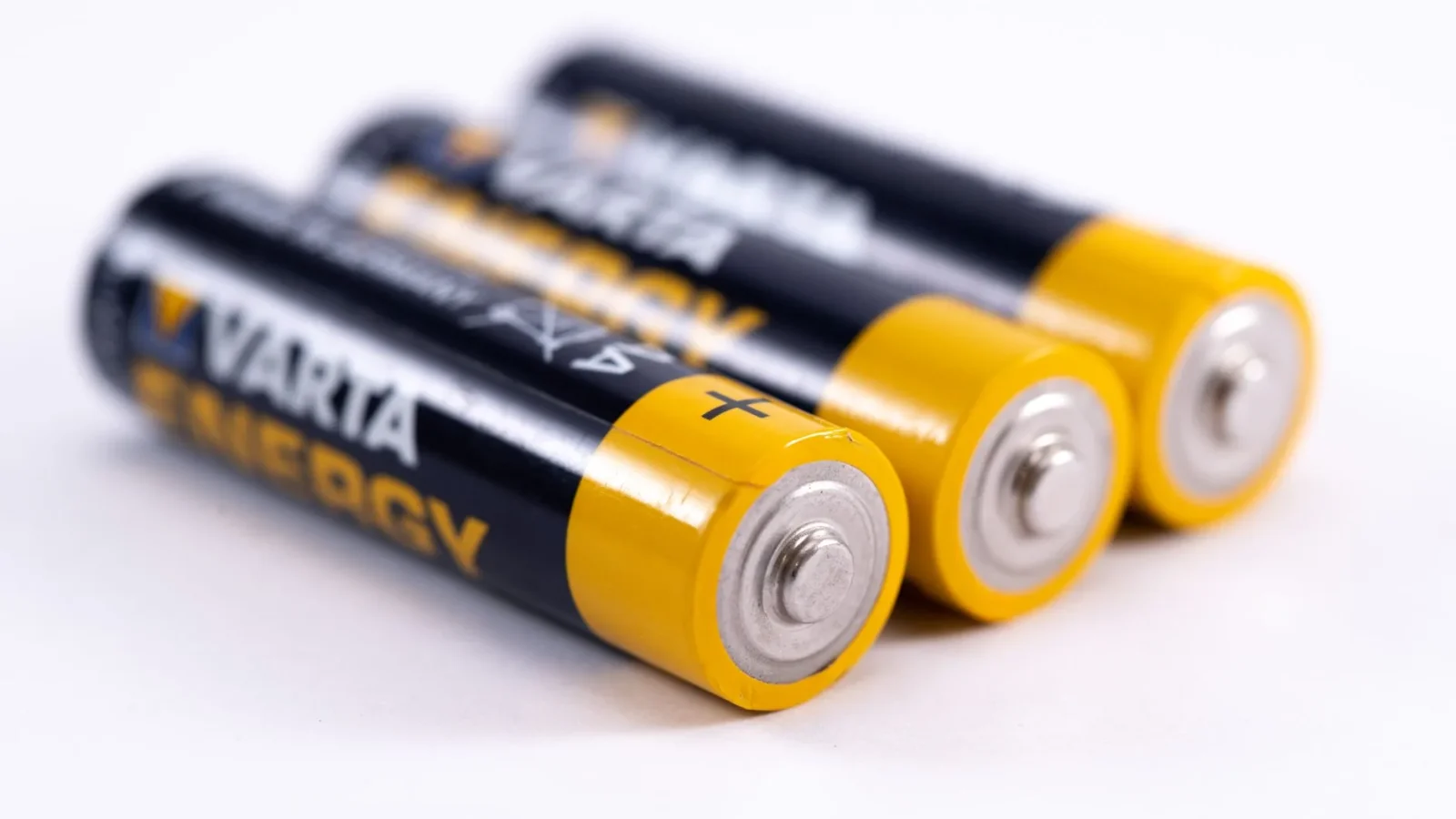
Short answer: for most weekend boaters running a modest house bank, a drop-in LiFePO4 battery is worth it, as long as you charge it correctly and go in with clear eyes about the caveats. LiFePO4 is lithium iron phosphate, the safe, stable lithium chemistry used in nearly every marine battery, and “drop-in” means the battery is built to the same case size as your old lead-acid one so it bolts into the same tray and terminals.
The honest longer answer is that “drop-in” is a marketing word, not a promise that nothing else changes. The battery drops in. Your charging setup, your fuses, and sometimes your alternator do not automatically come along for the ride. Get those pieces right and you gain roughly twice the usable power at half the weight, with a battery that can outlive three sets of lead-acid. Get them wrong and you either underperform or cook something expensive.
What you actually gain over lead-acid
The headline difference is usable capacity. A lead-acid battery hates being drained past halfway, so a 100Ah flooded or AGM battery really gives you about 50 amp-hours before you start shortening its life. A LiFePO4 battery is happy going down to 10 or 20 percent, so that same 100Ah label delivers 80 to 100 real amp-hours.
That means one 100Ah lithium often does the work of two lead-acid batteries. On a boat, that is a big deal. You save space, and you save weight: a 100Ah LiFePO4 runs around 26 to 31 pounds, while an equivalent pair of AGMs can top 130 pounds.
Then there is the flat voltage. Lithium holds close to 13 volts through most of its discharge, so your lights stay bright and your inverter does not sag when the bank is half empty. Lead-acid voltage droops the whole way down, which is why your fridge sounds tired by the second morning at anchor.
If you want the full side-by-side on cost, weight, and lifespan, our comparison on Lithium vs AGM for Boats: Which Wins? lays it out without the hype.
The catch nobody prints on the box
Here is where “drop-in” gets people. The battery is a straight swap physically, but a lead-acid charger set to a lead-acid voltage will chronically undercharge lithium, or in a few cases overcharge it. Your charge profile has to match.
Most quality marine chargers made in the last several years have a lithium setting. If yours does not, budget 150 to 400 dollars for one that does. The same goes for your solar controller if you charge at anchor.
The bigger surprise is the alternator. LiFePO4 accepts current so eagerly that it can pull a standard alternator to full output for an hour straight. Alternators are not built to run flat-out that long, and they overheat.
A real example from the dock
A boat I rewired last spring was a 32-foot cruiser whose owner had bought three cheap drop-in batteries online, dropped them into the old tray, and called it done. He phoned me in June because his batteries “died” every trip and one had shut off completely.
Nothing was broken. His shore charger was still in lead-acid mode, so the lithium bank never got above 70 percent. And the one that “died” had simply hit its low-temperature cutoff during a cold snap, which is the BMS doing its job.
The BMS, or battery management system, is the small circuit board inside every LiFePO4 battery that protects the cells from overcharge, deep discharge, cold charging, and shorts. It is the brain of the battery, and understanding it removes most lithium mystery. If that box is new to you, How a Marine Battery BMS Actually Works is the piece to read next.
We changed the charger setting, added a DC-to-DC charger for the engine, and his “dead” batteries have been flawless for over a year. The batteries were never the problem. The setup around them was.
The cold-weather rule you cannot ignore
This is the one non-negotiable. You can discharge LiFePO4 in freezing weather all day, but charging it below about 32 degrees Fahrenheit (0 Celsius) permanently damages the cells. It is the single hard limit that lead-acid does not have.
A good BMS blocks charging when the cells are too cold, which protects the battery but can leave you scratching your head when nothing charges on a frosty morning. Some batteries include internal heaters that warm the cells before accepting a charge, and those are worth the premium if you boat in shoulder seasons.
Cost over time, not just the sticker
Lithium looks expensive on day one and cheap over a decade. A single 100Ah flooded battery costs 120 to 200 dollars but lasts maybe 400 to 600 cycles. A 100Ah LiFePO4 costs 500 to 900 dollars and delivers 3,000 to 5,000 cycles.
Run the math on a boater who cycles the bank 60 times a season, and the numbers separate fast.
| Factor | Flooded lead-acid (100Ah) | AGM (100Ah) | LiFePO4 (100Ah) |
|---|---|---|---|
| Upfront cost | 120 to 200 dollars | 250 to 400 dollars | 500 to 900 dollars |
| Usable capacity | ~50 Ah | ~50 Ah | 80 to 100 Ah |
| Weight | 60 to 70 lb | 60 to 70 lb | 26 to 31 lb |
| Typical cycles | 400 to 600 | 500 to 900 | 3,000 to 5,000 |
| Rough service life | 2 to 4 years | 4 to 6 years | 8 to 10 years |
Spread over its life, a good drop-in LiFePO4 battery often costs less per usable amp-hour than lead-acid, even before you count the space and weight you save. The catch is you pay it all at the checkout, and you only win if the battery survives its full life, which depends entirely on charging it right.
When a drop-in is the right call, and when it isn’t
A drop-in makes clear sense if you have a modest house bank, charge mostly on shore power or solar, and want to stop replacing lead-acid every few seasons. For a couple who anchor out weekends and run a fridge, lights, and a chartplotter, a single 100Ah or two 100Ah lithiums usually transform the boat.
It gets more complicated on big banks, heavy inverter loads, or boats that charge hard off a large alternator. At that point you are building a system, not swapping a part, and you want to plan the whole thing at once.
The American Boat and Yacht Council publishes the marine standards most insurers and surveyors expect, and lithium installs have their own guidance worth following. For general boater-focused background, BoatUS has plain write-ups on battery basics too.
So, is it worth it for your boat?
For the practical weekend owner with a small-to-mid house bank and a charger that speaks lithium (or the budget for one), yes. The usable power, the weight savings, and the decade-long lifespan add up to a real upgrade, not a gimmick.
Where I pump the brakes is the boater who reads “drop-in” and expects zero other changes. Confirm your charge sources, fuse the bank properly, respect the cold-charging rule, and add a DC-to-DC charger if you lean on the alternator.
Do that, and a drop-in LiFePO4 is one of the few upgrades that genuinely earns its price. If you are ready to plan the full swap the right way, start with our Lithium Boat Battery Upgrade Guide and match it to your loads using the Marine Battery Bank Setup Guide before you buy a thing.
Frequently asked questions
Can I really just drop a LiFePO4 battery into my lead-acid tray?
Physically, yes. Drop-in LiFePO4 batteries are built to standard lead-acid case sizes, so they bolt into the same tray and terminals. Electrically it is not automatic. Your charger, solar controller, and sometimes your alternator setup need to match lithium, or the battery will chronically undercharge and underperform.
How many usable amp-hours does a 100Ah LiFePO4 give versus lead-acid?
A 100Ah LiFePO4 delivers roughly 80 to 100 usable amp-hours because it can safely drain to 10 or 20 percent. A 100Ah lead-acid battery only gives about 50 usable amp-hours before you shorten its life. That is why a single lithium often replaces two lead-acid batteries.
Will a drop-in lithium battery hurt my alternator?
It can on larger banks. LiFePO4 accepts current so fast it can hold your alternator at full output for an hour or more, which overheats it. If you charge a 200Ah or larger lithium bank off the engine, add a DC-to-DC charger to cap the current the alternator has to supply.
Are cheap drop-in LiFePO4 batteries worth buying?
Sometimes, but the BMS inside matters more than the price. A weak battery management system can cut out under load or fail to protect the cells in cold weather. Buy from a known marine brand, check the continuous current rating, and confirm it has proper low-temperature charge protection.
Do drop-in LiFePO4 batteries work in freezing weather?
You can discharge them in the cold with no problem, but charging below about 32 degrees Fahrenheit permanently damages the cells. A good BMS blocks charging when it is too cold. If you boat in cold seasons, choose a self-heating battery or warm the bank before charging.