Portable vs Fixed Boat Solar Panels

Two boats sat next to each other at my marina last August, both trying to keep a fridge and some lights alive on the hook. One had a 200-watt suitcase panel leaning against the cabin trunk, chased around the cockpit every few hours to dodge the boom’s shadow. The other had a pair of panels bolted flat to a hardtop, quietly feeding the batteries while nobody thought about them. Same goal, two very different philosophies.
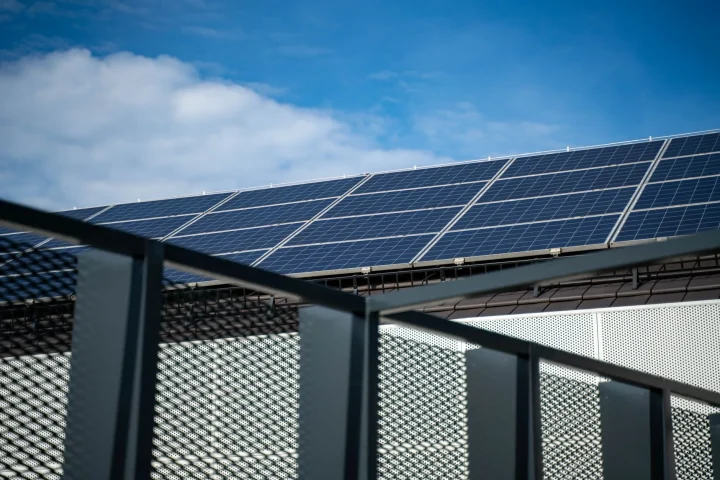
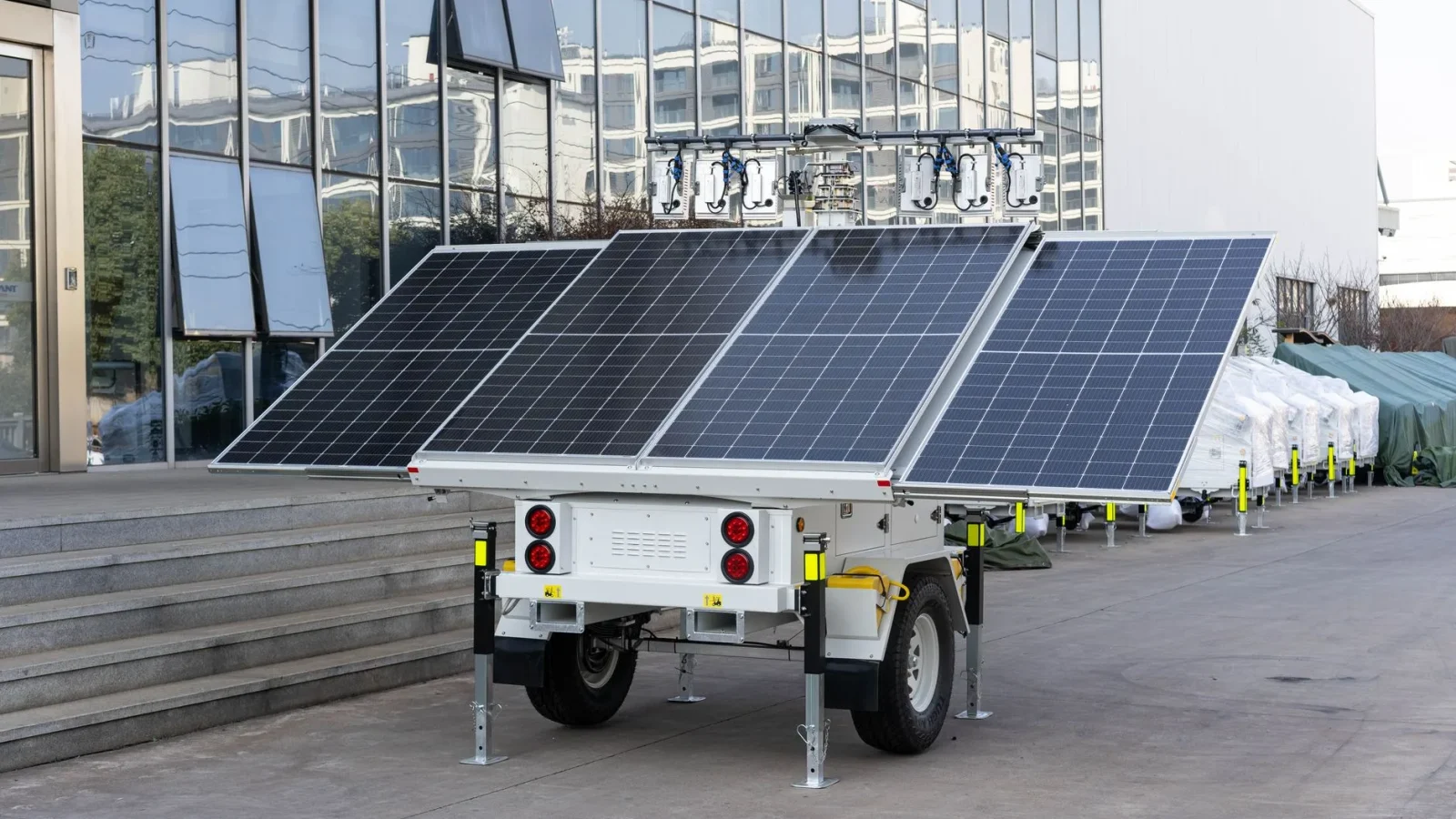
That contrast is the whole question in front of you. A portable panel is a folding or briefcase-style unit you set out when you need it and stow when you don’t. A fixed panel is mounted permanently to your boat: rail, arch, bimini, or deck.
Both charge batteries. How they fit your boat, your budget, and your patience is where they split.
The core difference: convenience versus commitment
A portable panel is the low-commitment choice. You buy it, unfold it, clip it to your battery or controller, and you’re charging in five minutes with zero holes in your boat.
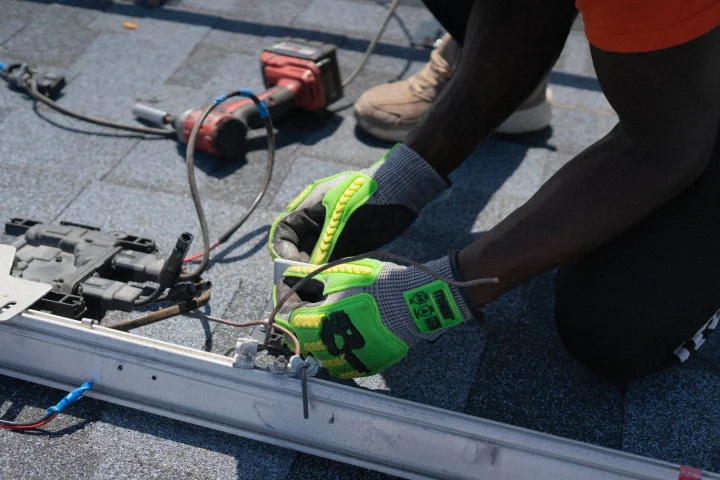
A fixed panel is the opposite trade. You give up a weekend and some deck real estate to mount and wire it once, and in return it works every sunny hour without you lifting a finger.
Neither is “better” in the abstract. The right pick depends on how you use the boat and how much you enjoy fiddling with gear versus forgetting it exists. If you’re building a system from scratch, our Marine Solar Power Setup Guide walks through the whole chain from panel to battery.
Head-to-head comparison
Here’s how the two stack up on the factors that actually change your day on the water. I’ve kept the numbers to what I see in the real world, not brochure figures.
| Factor | Portable panels | Fixed panels |
|---|---|---|
| Typical cost (100W-class) | $150 to $350 for a folding kit with controller | $90 to $200 per panel, plus wiring and mounts |
| Install effort | None; plug and play | Half a day to a weekend, drilling and sealing |
| Holes in the boat | Zero | Usually several, all needing bedding compound |
| Real daily output (sunny day) | 60 to 120 Wh per 100W panel if you reposition it | 250 to 400 Wh per 100W panel, hands-off |
| Theft and weather risk | Must stow it; easy to walk off with | Bolted down; rides out weather in place |
| Best at anchor | Excellent if you’re aboard to move it | Excellent, no attention needed |
| Best while away | Poor; can’t leave it out safely | Excellent; keeps charging while you’re ashore |
Notice the output gap. A fixed panel that sits in the sun all day beats a portable one that only gets tended twice, even though the portable can technically out-produce it in any single tilted hour.
When portable panels win
Portable panels are the clear answer for trailer-sailors and small-boat owners who don’t want to modify a hull they might sell in two seasons. You keep the panel, sell the boat, buy the next one.
They also shine when you’re actively aboard and can tilt the panel toward the sun. A 100W folding panel angled correctly at 40 degrees can briefly out-produce a 150W flat-mounted panel, because flat panels lose 15 to 30 percent just from lying parallel to the deck.
Renters, club-boat members, and anyone chartering fall here too. No drilling means no security deposit drama.
When fixed panels win
Fixed panels are for people who want power to be boring. Liveaboards, long-distance cruisers, and anyone who leaves the boat for days at a time need charging that happens whether or not they’re paying attention.
A boat I rewired last spring, a 34-foot cruiser, had the owner hauling a suitcase panel in and out of the lazarette every single morning. We mounted two 175W panels on a stern arch, ran 8-gauge wire to the controller, and he never touched a panel again. His complaint afterward was that boat maintenance had gotten boring, which is exactly the point.
Fixed wins on total energy too. Even at a flat mounting angle, a panel that collects sun for ten hours beats a portable that gets repositioned twice and forgotten. If you’re mounting on a canvas top, our guide to mounting solar panels on a bimini covers the reinforcement and strain-relief details that keep panels from flexing loose.
Sizing and wiring: the part people skip
Panel type is the fun decision. Sizing and wiring are the ones that actually determine whether your batteries stay full.
Before you buy anything, figure out your daily amp-hour draw. Add up what your fridge, lights, and electronics pull in a day, then size the array to replace it with margin. Our walkthrough on how to size a boat solar array gives you the arithmetic without the headache.
Wire gauge matters in both camps. A 100W panel pushes roughly 5 to 6 amps, and over a 15-foot run you want 10-gauge wire to keep voltage drop under 3 percent. Go thinner and you’re literally heating the wire instead of the battery. The 12V Boat Wiring Guide for Beginners explains gauge, fusing, and drop in plain terms.
Don’t cheap out on the controller
The charge controller sits between panel and battery and stops the panel from cooking your cells. There are two kinds: PWM (pulse width modulation) is cheaper and fine for small setups; MPPT (maximum power point tracking) squeezes 10 to 30 percent more out of the same panel, especially in cool or partly cloudy weather.
Many portable “kits” ship with a bargain PWM controller. For anything over 100W, or any fixed install, spend the extra $40 to $80 on MPPT. Our comparison of MPPT vs PWM solar controllers shows exactly where the money goes. For the safety side of fusing and overcurrent protection, the American Boat and Yacht Council standards at ABYC are the reference professionals actually build to.
The honest recommendation
If I had to send one boat owner off the dock with a single choice, here’s how I’d split it. Weekend and trailer boats: go portable, save the holes, keep it simple. Cruisers and liveaboards: go fixed, and stop thinking about it.
But the setup I actually run, and recommend to most people who ask, is a hybrid. One fixed panel sized to cover your baseline draw at anchor, plus a portable you deploy on heavy-use days or when you’re parked in a shady slip and need to chase a sunbeam across the cockpit.
The caveats are real, though. A portable is useless if you’re not aboard to guard and reposition it, so it’s a poor sole solution for anyone who leaves the boat unattended. And a fixed panel is only as good as its mount and wiring; a beautifully mounted panel fed through undersized wire is just an expensive shade device.
Pick for how you actually use the boat, not how you imagine using it. The best solar setup is the one that keeps your batteries topped without becoming a chore, and for most people that starts with an honest look at whether they’ll really get up every hour to move a panel. For the full weather picture on when you’ll actually see charging sun, the marine forecasts from NOAA are worth checking before you count on solar for a passage.
Frequently asked questions
Are portable solar panels enough to run a boat fridge?
A single 100W folding panel realistically delivers 60 to 120 watt-hours on a good day, which can offset a small 12V fridge but rarely fully replace it. For a fridge running around the clock, plan on 200W or more, or pair a portable with a fixed panel. Repositioning the panel toward the sun makes a big difference.
Can I leave a portable solar panel out while I'm off the boat?
It's not recommended. Portable panels are easy to steal and can be damaged by wind or a sudden squall if left unattended. If you regularly leave the boat for hours or days, a fixed panel that stays bolted down is the safer choice for continuous charging.
Do fixed solar panels really produce more than portable ones?
Over a full day, usually yes. A fixed panel collects sun for every daylight hour without attention, while a portable only helps when you tend it. A tilted portable can beat a flat fixed panel in any single hour, but the fixed panel wins on total daily energy for most owners.
What wire gauge do I need for a 100W boat solar panel?
A 100W panel pushes roughly 5 to 6 amps, so for a run up to about 15 feet, use 10-gauge wire to keep voltage drop under 3 percent. Longer runs or bigger arrays need thicker wire. Undersized wire wastes power as heat instead of charging your battery.
Should I use an MPPT or PWM controller with boat solar?
For anything over 100W or any permanent install, choose MPPT. It extracts 10 to 30 percent more power than a cheap PWM controller, especially in cool or partly cloudy conditions. PWM is fine only for very small trickle setups where the extra cost isn't worth it.